Market Increase Of Using Electric Vehicle & Charging Station
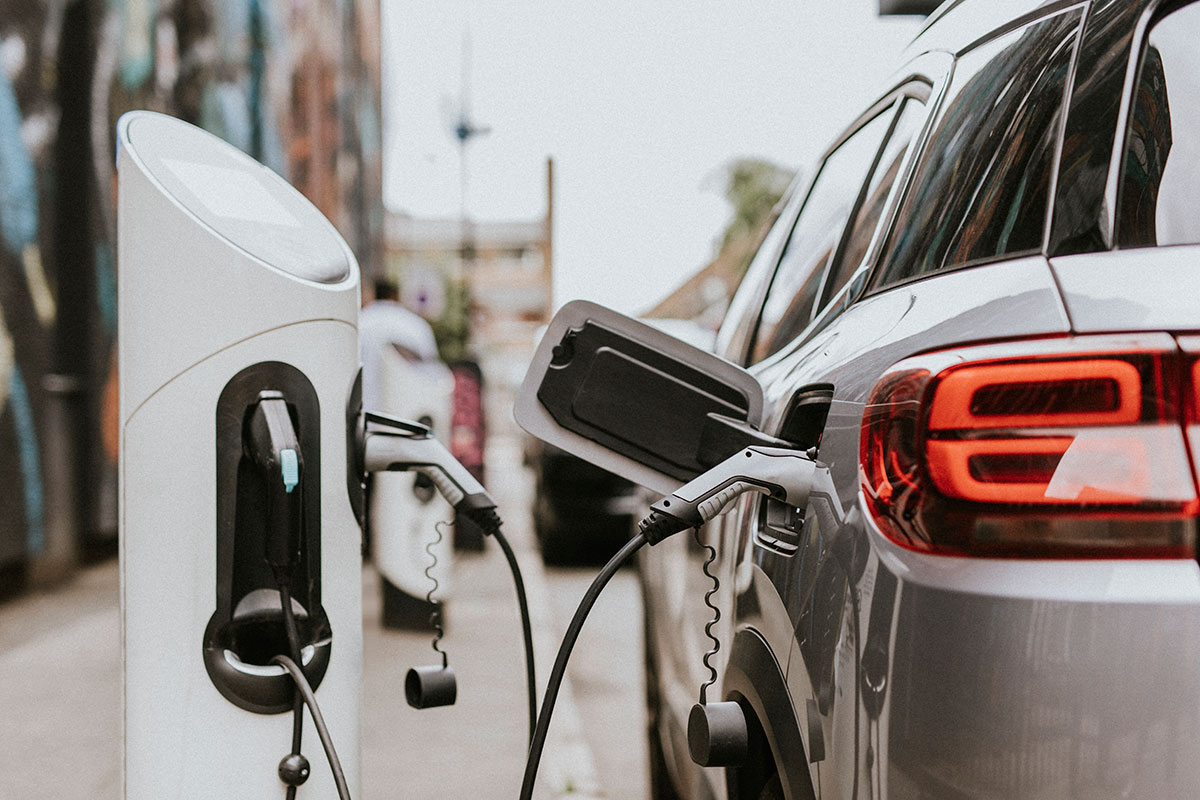
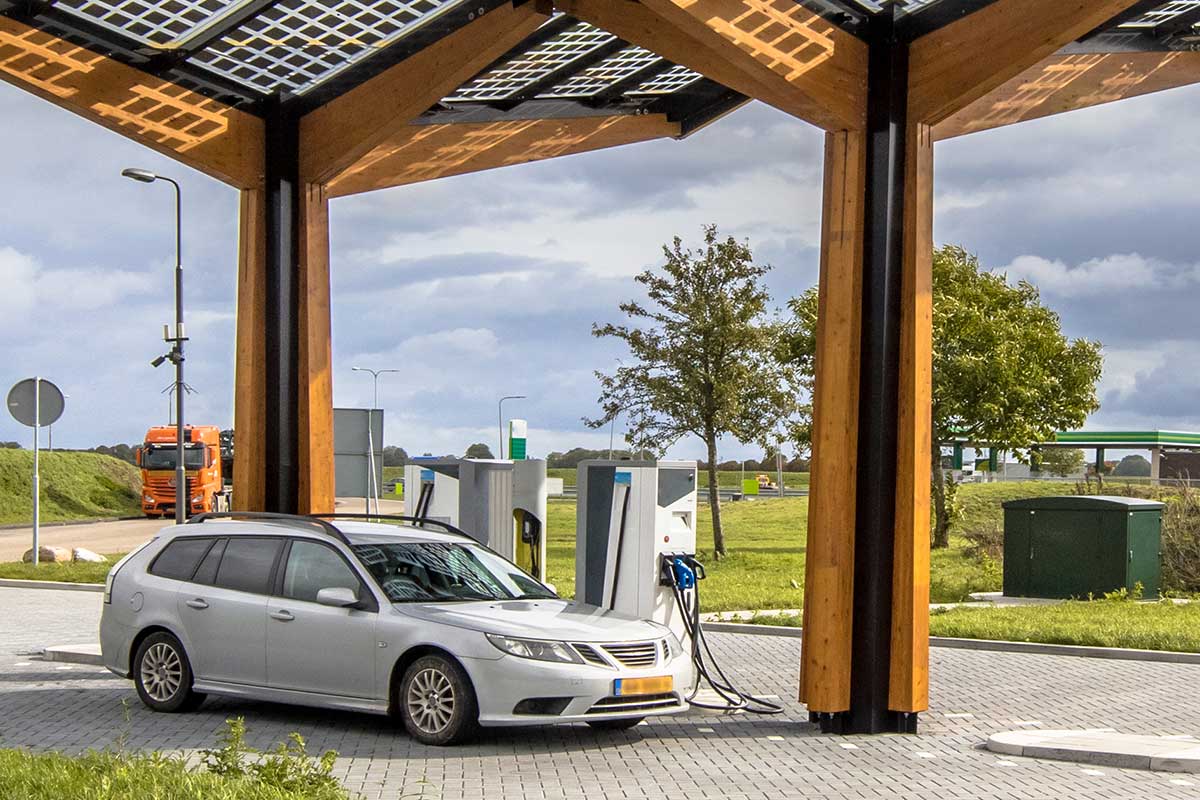
In recent years, the global landscape has witnessed a significant surge in the adoption of electric vehicles (EVs) and the development of charging infrastructure. This paradigm shift is reshaping the automotive industry and contributing to a more sustainable future. Let’s delve into the key factors driving the market increase of EVs and charging stations.
**1. *Environmental Consciousness:*
The growing concern for environmental sustainability has fueled the demand for cleaner transportation alternatives. Electric vehicles, with zero tailpipe emissions, are considered a crucial solution to mitigate air pollution and reduce the carbon footprint.
**2. *Government Initiatives and Incentives:*
Governments worldwide are introducing initiatives and incentives to promote the adoption of electric vehicles. These measures include tax credits, rebates, and subsidies, making EVs more attractive and affordable for consumers.
**3. *Technological Advancements:*
Advances in battery technology have enhanced the performance and range of electric vehicles. Lithium-ion batteries, in particular, have become more efficient, affordable, and accessible, addressing one of the primary concerns of potential EV buyers – range anxiety.
**4. *Expanding Charging Infrastructure:*
The availability of a robust charging infrastructure is pivotal for the widespread adoption of electric vehicles. Governments, private companies, and startups are investing in the development of charging stations, creating a network that facilitates long-distance travel and caters to urban charging needs.
**5. *Reduced Operating Costs:*
Electric vehicles generally have lower operating costs than traditional internal combustion engine vehicles. EVs have fewer moving parts, require less maintenance, and benefit from the decreasing cost of electricity compared to fossil fuels.
**6. *Corporate Sustainability Goals:*
Many companies are incorporating electric vehicles into their fleets as part of their corporate sustainability initiatives. Businesses recognize the positive impact of transitioning to electric fleets on both the environment and their corporate image.
**7. *Consumer Awareness and Education:*
Increased awareness of climate change and the environmental impact of conventional vehicles has led consumers to explore greener alternatives. Educational campaigns and marketing efforts have played a crucial role in dispelling myths and educating the public about the benefits of electric vehicles.
**8. *Rising Investments in EV Technology:*
The automotive industry is witnessing substantial investments in electric vehicle technology. Established automakers and startups alike are channeling resources into research and development, aiming to bring innovative EV models to the market.
**9. *Global Automotive Trends:*
The automotive industry is experiencing a paradigm shift, with major players setting ambitious targets to transition to electric vehicles. This shift is in response to both consumer demand and regulatory pressures to meet emissions targets.
**10. *Urban Planning and Smart Cities:*
The concept of smart cities and urban planning is closely tied to sustainable transportation. Cities worldwide are incorporating electric vehicle charging infrastructure into their urban development plans, encouraging citizens to embrace eco-friendly commuting options.
In conclusion, the increase in the adoption of electric vehicles and the development of charging infrastructure signal a transformative period in the automotive industry. As the market continues to evolve, the synergy between technological innovation, supportive policies, and consumer awareness will further drive the transition to a cleaner and more sustainable mode of transportation. The future promises not only a shift in how we move but also a positive impact on the health of our planet.